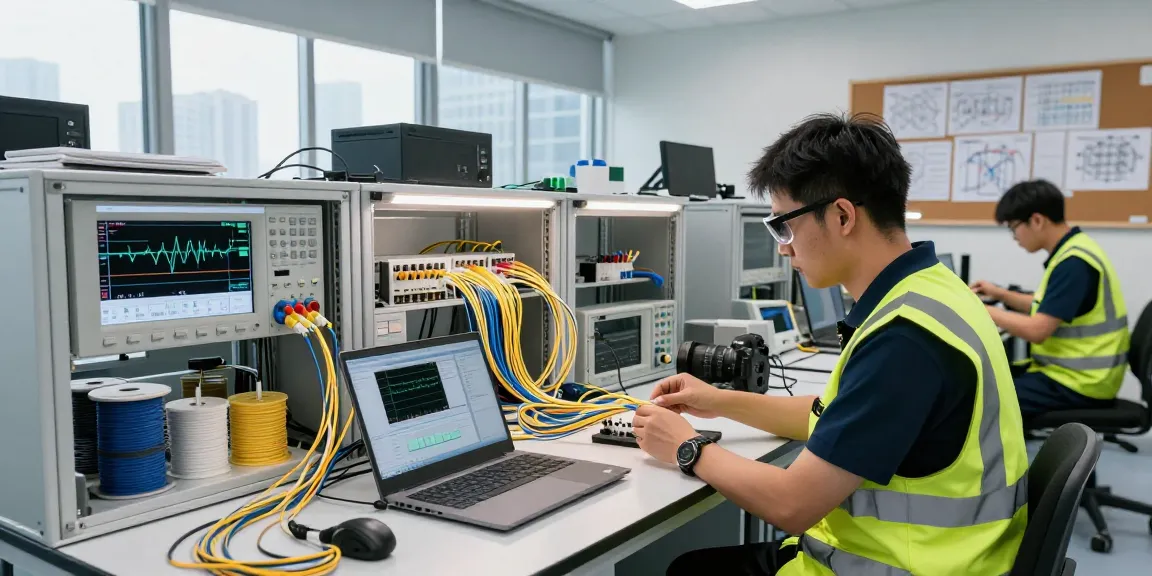
Understanding Optical Cables: The Backbone of Modern Connectivity
In today's fast-paced digital world, optical cables serve as the backbone of virtually all modern telecommunications and data services. As businesses and individual users alike demand higher speeds and more reliable connections, understanding the technology behind optical fibers becomes essential. Optical cables utilize light to transmit data, allowing for greater bandwidth and faster transmission than traditional copper cables. This article dives deep into the world of optical cables, exploring their types, benefits, installation practices, maintenance, and future trends.
What are Optical Cables?
Optical cables consist of strands of glass or plastic fibers that transmit data as light signals. These cables are not only capable of carrying vast amounts of information over long distances but also offer immunity to electromagnetic interference, which is a common issue with copper cables. Due to their high performance, optical cables are often used in applications ranging from telecommunications to networking, and even in everyday consumer electronics.
Types of Optical Cables and Their Uses
- Single-Mode Fiber (SMF): Designed for long-distance communication, single-mode fibers have a small core diameter (about 8-10 microns). They allow only one mode of light to propagate, which reduces signal attenuation and increases bandwidth. Applications include telecommunications and long-haul data transmissions.
- Multi-Mode Fiber (MMF): With a larger core diameter (50-62.5 microns), multi-mode fibers support multiple modes of light. They are typically used for shorter distances, such as within buildings or campuses, due to higher attenuation rates compared to SMF. Common applications include local area networks (LANs) and data centers.
- Armored Fiber Cables: These cables feature a protective layer that safeguards the fiber from physical damage. They are often used in outdoor environments where there is a risk of rodent attacks or harsh weather conditions.
- Ribbon Fiber Cables: These consist of multiple fiber strands flattened and bonded together. They are designed for high-density applications, making them ideal for data centers and telecommunications infrastructure.
Key Benefits of Using Optical Cables
The advantages of optical cables are multifaceted and significant. They include:
- High Bandwidth: Optical cables can transmit data at rates of several terabits per second, making them capable of supporting high-demand applications.
- Long Distance Transmission: Data can be transmitted over much longer distances compared to copper cables, minimizing the need for repeaters.
- Immunity to Interference: Unlike copper cables, optical fibers are not susceptible to electromagnetic interference, providing a clearer signal.
- Security: The use of light makes it incredibly difficult to tap into optical cables without detection, enhancing data security.
- Durability and Reliability: Optical cables are generally more durable and require less frequent maintenance, leading to lower operational costs.
Choosing the Right Optical Cable for Your Project
Selecting the appropriate optical cable for your specific needs is crucial for achieving optimal performance. Several factors should be considered in this selection process.
Factors to Consider in Optical Cable Selection
When choosing optical cables, consider the following:
- Distance: Determine how far the data needs to travel. Single-mode fibers are suited for longer distances, while multi-mode fibers are ideal for shorter spans.
- Environment: Assess the installation environment. If the cable will be exposed to physical threats, consider armored cables.
- Bandwidth Requirements: Evaluate the expected data load. For high-demand applications, opt for cables with higher bandwidth capabilities.
- Future Scalability: Consider future expansion needs when selecting a cable type. Choosing a higher-capacity cable may save costs in the long run.
Understanding Specifications and Standards
Optical cables must adhere to various specifications and standards to ensure compatibility and performance. It's essential to be familiar with terms such as:
- OS1/OS2: Designations for single-mode cables, with OS2 being designed for longer distances.
- OM1/OM2/OM3/OM4: These specify multi-mode fibers, with OM4 supporting higher bandwidth than OM3 and so forth.
- GR-326: A standard that addresses performance requirements for single-mode fiber optic cables.
Applications in Various Industries
Optical cables are ubiquitous across multiple sectors, including:
- Telecommunications: They serve as the backbone of the internet, connecting data centers and facilitating high-speed broadband connections.
- Healthcare: In hospitals, optical fibers support critical applications such as imaging and data transmission for medical devices.
- Military and Defense: Their secure and reliable nature makes optical cables ideal for communications in defense applications.
- Education: Optical networks within educational institutions enable high-speed internet access and support online learning platforms.
Installation Best Practices for Optical Cables
Installing optical cables requires precision and attention to detail to avoid costly mistakes. Here are essential practices for a successful installation.
Essential Tools and Equipment for Installation
To ensure a successful installation, you will need the following tools:
- Optical time-domain reflectometer (OTDR) for testing cable integrity.
- Fiber cleaver for precise cutting of fibers.
- Splice trays and enclosures for secure and organized fiber connections.
- Cable management systems to prevent bending and physical damage during installation.
Step-by-Step Guide to Installing Optical Cables
- Planning: Assess the installation site and develop a comprehensive plan that includes cable routes and required materials.
- Cable Laying: Carefully lay the optical cables according to the planned route, avoiding sharp bends and physical stress.
- Termination: Properly terminate the fiber ends using connectors. Ensure precision during this process to maintain signal integrity.
- Testing: Use an OTDR and other testing equipment to verify that the installation meets required specifications.
- Documentation: Document the installation process, creating records of cable routes, testing results, and any issues encountered.
Common Mistakes to Avoid During Installation
When installing optical cables, it's easy to overlook important details. Here are common mistakes to avoid:
- Neglecting to plan cable routes thoroughly.
- Improperly handling and bending cables, which can lead to breakage.
- Failing to test cables post-installation, potentially missing weaknesses in the system.
- Not adhering to safety protocols during installation, which could lead to accidents or damage.
Maintenance and Troubleshooting of Optical Cable Systems
Maintaining optical cable systems is crucial for ensuring long-term performance. An effective maintenance program will help in identifying potential issues early and addressing them promptly.
Routine Maintenance Techniques
To keep your optical cable systems in top shape, implement the following routine maintenance techniques:
- Regular inspections for physical damage and environmental impacts.
- Cleaning connectors and ports to prevent signal degradation.
- Monitoring system performance using testing tools periodically to ensure efficiency.
Identifying and Diagnosing Common Issues
Common issues that may arise in optical cable systems include:
- Signal Loss: Often caused by fiber breaks or poor connectors. Regular testing can help identify these problems.
- Dispersion: This occurs when different light modes travel at varying speeds, leading to signal distortion. Proper cable selection and installation can mitigate this issue.
- Physical Damage: Cables can be affected by environmental factors or mechanical stress. Regular inspections are essential to catch these issues early.
Using Testing Equipment to Ensure Performance
Employ testing equipment such as OTDRs, power meters, and light sources to measure the performance of your optical cable systems. These tools help in identifying problems like breaks, weak connections, and excessive loss, ensuring reliability and performance.
Future Trends in Optical Cable Technology
The optical cable industry is constantly evolving. Staying ahead of these trends will enable businesses to leverage the latest technologies for superior network performance.
Emerging Innovations in Optical Fiber Technology
Several innovations are shaping the future of optical fiber technology, including:
- Co-Packaged Optics: This technology integrates optical components alongside electronic chips, minimizing signal loss and improving speed.
- Silicon Photonics: Using silicon for photonic circuits, this innovation aims to enhance data processing and transmission speeds significantly.
- High-Density Fiber Assemblies: As demand for data grows, solutions that offer higher density while maintaining performance are becoming crucial in data centers.
Predictions for Optical Cable Usage in 2026
By 2026, the demand for optical cables is expected to surge, driven by advancements in technology such as 5G and AI. The need for higher bandwidth and lower latency will see widespread adoption of optical solutions across various sectors, including telecommunications, healthcare, and the IoT market.
Impact of AI and IoT on Optical Networking
The integration of Artificial Intelligence (AI) and the Internet of Things (IoT) with optical networking will necessitate more robust and adaptive optical systems. This shift will likely lead to advancements in real-time data processing and network management, optimizing performance and reliability.
What are the benefits of optical cables?
Optical cables offer numerous benefits, including higher bandwidth, longer transmission distances, and immunity to electromagnetic interference, making them ideal for modern communication systems.
How do I choose the right optical cable for my needs?
To choose the right optical cable, consider factors such as distance requirements, environmental conditions, and bandwidth needs. Understanding specifications and standards will also guide your selection process.
What common mistakes should I avoid with optical cable installation?
Avoid common installation mistakes such as improper handling, neglecting to plan cable routes, and failing to test connections after installation.
How often should optical cable systems be maintained?
Routine maintenance should be conducted at regular intervals, generally every six months to one year, to ensure performance and reliability of optical cable systems.
What is the future of optical cables in technology?
The future of optical cables will be shaped by innovations in technology, increased demand for high-speed connectivity, and the integration of AI and IoT, leading to smarter and more efficient networks.